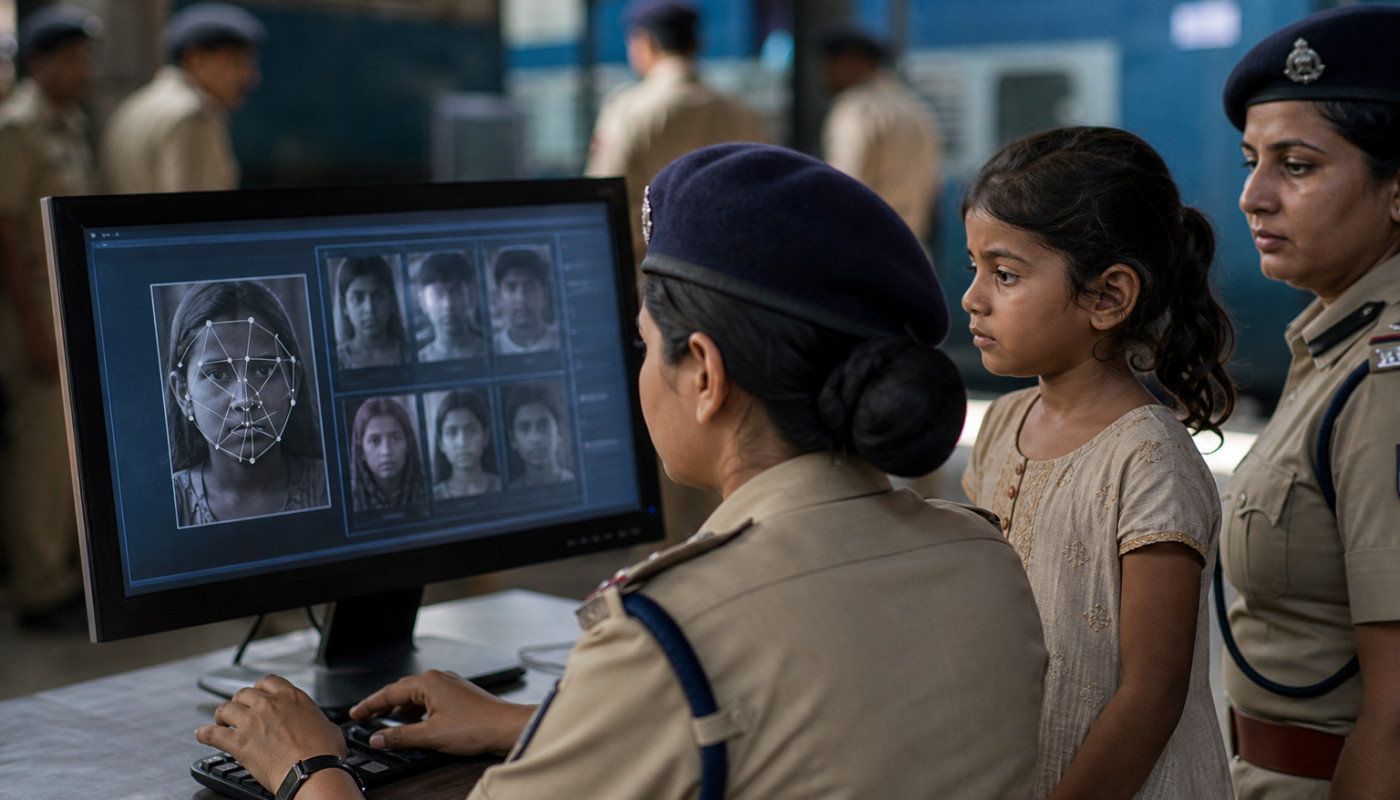
Interpol’s Evolving Role In Cross-border Law Enforcement Collaboration
As conflicts, cybercrime, and globalized financial flows keep stretching national police forces,...

Customs Audits Decoded: How A Missing Eori Number Can Halt Your Business
One routine customs check can turn into a full stop. Across Europe, border agencies are tightening...

The benefits of carrots
People avoid to eat vegetables because they don't appreciate their taste. But after reading this...

CBD against stress: an effective natural solution
Stress is a daily reality for many people. Whether it's at work, at home or in social situations,...

Exploring The Financial Benefits Of Gaming For Earnings
In recent years, the world of gaming has expanded far beyond mere entertainment, opening up...

How To Efficiently Obtain A French Company's Certificate Of Incorporation
Navigating the complexities of international business often requires a deep understanding of...
Economy



How Do Emerging Technologies Challenge The Work Of Interpol And Legal Services?
From AI-driven fraud to encrypted messaging and deepfake-enabled identity theft, emerging technologies are reshaping cross-border crime faster than institutions can rewrite their playbooks. Interpol has spent the past decade modernising its tools, yet the gap between innovation and enforcement keeps widening, and it is legal services that often feel the pressure first, when evidence is digital, victims are scattered across jurisdictions, and suspects vanish behind platforms. The question is no longer whether technology changes investigations, but how quickly international cooperation can keep up. Interpol’s data race against borderless crime Can policing move at the speed of code? In many investigations today, the “crime scene” is a server log, a cloud account, or a blockchain trail...
Health


How Do Emerging Technologies Challenge The Work Of Interpol And Legal Services?
From AI-driven fraud to encrypted messaging and deepfake-enabled identity theft, emerging technologies are reshaping cross-border crime faster than institutions can rewrite their playbooks. Interpol has spent the past decade modernising its tools, yet the gap between innovation and enforcement keeps widening, and it is legal services that often feel the pressure first, when evidence is digital, victims are scattered across jurisdictions, and suspects vanish behind platforms. The question is no longer whether technology changes investigations, but how quickly international cooperation can...
How To Efficiently Obtain A French Company's Certificate Of Incorporation
Navigating the complexities of international business often requires a deep understanding of administrative procedures, particularly when it comes to validating the legitimacy of overseas partners. For companies seeking to engage with French entities, securing a Certificate of Incorporation can be a pivotal step in ensuring legal and financial transparency. This guide is tailored to demystify the process, offering a clear-cut route to obtaining this vital document from French companies. Continue reading to uncover practical insights and maneuver through the bureaucratic channels with...
The Use of Oxford Astrazeneca Vaccine Put on Hold in Many European Countries
Just a while ago, the Astrazeneca vaccine was reported to be arguably the best shot at dealing with the B117 variant of the Covid-19 virus and other variants of concern. This came at a time when nations like South Africa had to suspend the rollout of a certain vaccine considering the ineffectiveness. What’s Happening with the Oxford Astrazeneca Vaccine? Just down the line, the same Astrazeneca vaccine has been reported to be with side effects that are harmful. As a result, the use of this vaccine has been actively or passively halted in many European nations. From an economical stance, this...
The benefits of carrots
People avoid to eat vegetables because they don't appreciate their taste. But after reading this text, you will certainly go to a market to buy carrots. With all assets they contain it is not avised to neglect them. Help to prevent diseases Carrots have lutein which is good for eyes. It can help to prevent age-related macular degeneration. Eat carrots is a better way to keep eyes healthy. You will avoid eyes diseases. They can reduce the risk of cancer thanks to antioxidants they provide to your body. Actually, there are two kinds of antioxidants in carrots which are carotenoids and...

The motorbike experience
It's not hard to figure out exactly why there are more motorcyclists. The younger population seems to be the driving force behind this growing appeal and we can thank the economy for that. In this space, let's take a look at the motorbike experience. The choice of the motorbike Today, young motorists are opting out of owning a car to become motorcyclists. Read my latest blog post to find out more. With a motorbike, they can get around faster, without having to queue in traffic for hours. Most of the congestion on the roads is caused by vehicles. Vehicle owners spend hours in their vehicles...

Health: How to relieve stress and anxiety to live a better life
Nothing is as important as our health and well-being. When it comes to our overall health both physical and mentally, it is important we do everything we can to stay at the top. Stress and anxiety are both feelings we’ve felt before and some experience it more frequently than others due to their work environment or their way of life. On a long-term, those feelings tend to deteriorate your health and that’s exactly why it is important to deal with those. Luckily, there are few things you can try that could relieve you from those feelings. What are the tips to avoid stress and anxiety? One of...
International



Science/High-Tech




Current trends
The Domino Effect Of Extradition Laws On Cross-border Justice
Extradition is meant to be a legal handshake between states, yet in practice it often behaves like a line of falling dominoes, where one warrant triggers another, and one diplomatic decision reshapes years of litigation. From Europe’s streamlined surrender mechanisms to Australia’s requests across the Pacific, governments are leaning harder on cross-border justice as mobility rises and digital evidence travels faster than suspects. The result is a system under pressure, where timelines, prison conditions, and political assurances can determine not only who is surrendered, but also how...
Other


News
How Do Emerging Technologies Challenge The Work Of Interpol And Legal Services?
From AI-driven fraud to encrypted messaging and deepfake-enabled identity theft, emerging technologies are reshaping cross-border crime faster than institutions can rewrite their playbooks. Interpol has spent the past decade modernising its tools, yet the gap between innovation and enforcement keeps widening, and it is legal services that often feel the pressure first, when evidence is digital, victims are scattered across jurisdictions, and suspects vanish behind platforms. The question is no longer whether technology changes investigations, but how quickly international cooperation can keep up. Interpol’s data race against borderless crime Can policing move at the speed of code? In many investigations today, the “crime scene” is a server log, a cloud account, or a blockchain trail...
New